Brain Health and Reduction of Risks for Dementia

We are increasingly aware of the importance of brain health, which affects our physical well-being and daily functions. Having the capacity to manage ourselves well and take care of our loved ones has significant meaning to us. Our understanding of the brain and other parts of the nervous system, and how they control our complex behavior’s, has been the subject of intensive research for the past 4 to 5 decades, but has only gathered substantial momentum in the recent 1 – 2 decades.
Swallowing Difficulties and Soft Diets

In the later stages of dementia, a person living with dementia can develop severe difficulties with swallowing. Changes in parts of the brain that control swallowing may affect and weaken the muscles involved, affecting various parts of the eating process. As a result, the person living with dementia may not maintain sufficient fluid and nutritional intake for bodily sustenance. Difficulty in swallowing also increases the risk of food or drinks entering the lungs. This can lead to a serious lung infection.
Dementia in Film

There has been a steady increase in the number of films on dementia and its profound impact on the person living with it as well as their loved ones. While this is a call for celebration, it is also important that films portray dementia in a way that is accurate and does not contribute to misconceptions and perpetuation of stigma. This is especially a concern because film and media have been found to be a powerful medium in influencing the attitudes and perceptions of the general public.1
Anticipatory Grief

Dementia may gradually change the personality of your loved one. Anticipatory grief occurs when someone questions whether this “stranger” who is living with dementia is the same person they know and love. The changing personality of the person living with dementia could be difficult to accept, especially if you have had a special bond with them.
CARA: A Pioneering Membership Programme
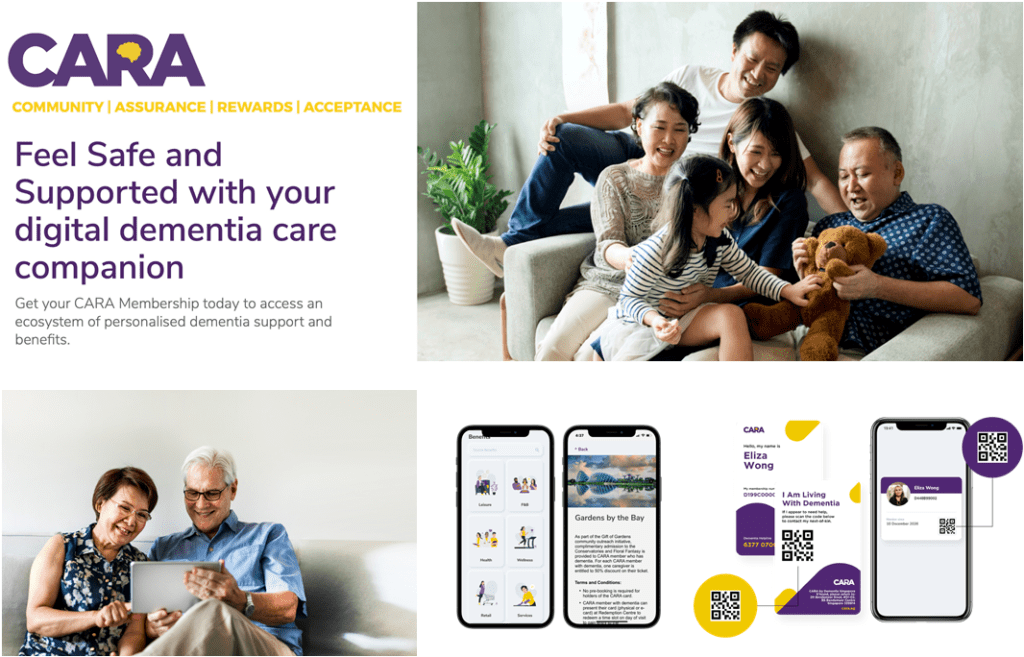
CARA replaces the existing Safe Return Card (SRC) initiative by the National Council of Social Service (NCSS) used by persons living with dementia. A pioneering membership programme by Dementia Singapore – formerly known as Alzheimer’s Disease Association (ADA) – the CARA membership will have the same safe return functions of the Safe Return Card, but with added features and benefits.
Applying the K.I.N.D Gesture & C.A.R.E Approach

We may encounter persons living with dementia in different situations depending on our social or work roles. Watch this prize-winning video produced by Vinn Bay and Tee Boon Leng as part of the Alzheimer’s Disease International (ADI) conference in March 2009. As you watch, take note of how some members of the public interact with the person living with dementia who is lost in her neighbourhood, and how she feels because of these interactions.
Dementia-Inclusive Design Principles

In recent years, there has been a growing pool of dementia-inclusive design guiding principles developed by subject matter experts, intended for laypersons, caregivers, and care professionals to address and enhance the different aspects of the physical environments that persons with dementia live in.
Undernutrition & Weight Loss

Undernutrition and weight loss are prevalent issues worldwide amongst persons living with dementia, often worsening as dementia progresses. 20 to 45% of persons living with dementia living in the community (outside institutions such as nursing homes) experience significant weight loss over a one-year period, while up to 50% of those residing in care homes have inadequate food intake.1
Reminiscence Arts
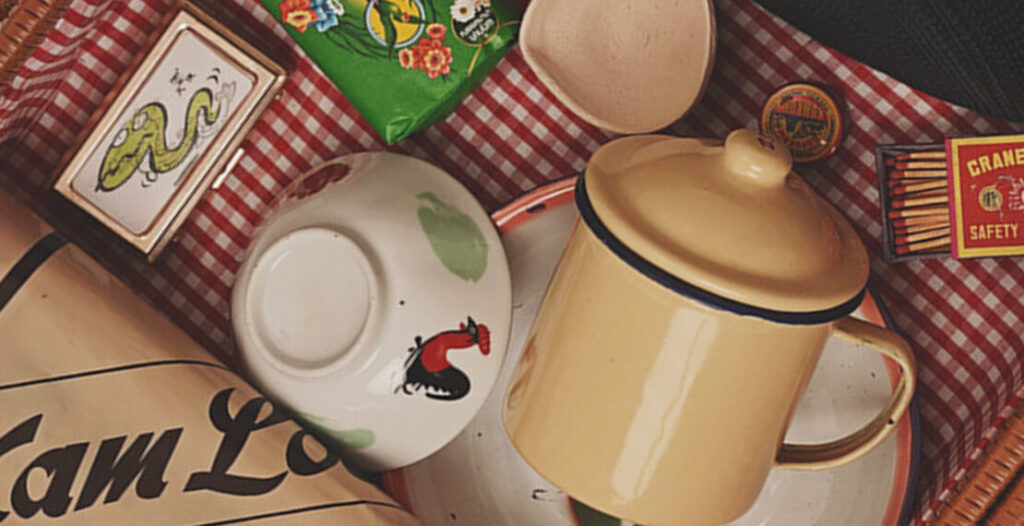
Caring for our loved ones living with dementia often involves seeking effective ways to ensure that they live a life that is enriched and meaningful, even as their dementia progresses. One way to do that is by means of Reminiscence Arts.