Talking to Children about Dementia

A family member’s dementia impacts the entire family, including children. Parents might wish to shield young children from the reality of their loved one’s condition, but it is best to broach the topic with them soon after the diagnosis. Children are often able to sense tensions in family dynamics arising from your loved one’s diagnosis of dementia and may be able to adjust better to these changes if they are informed.
Providing Namaste Care at Home
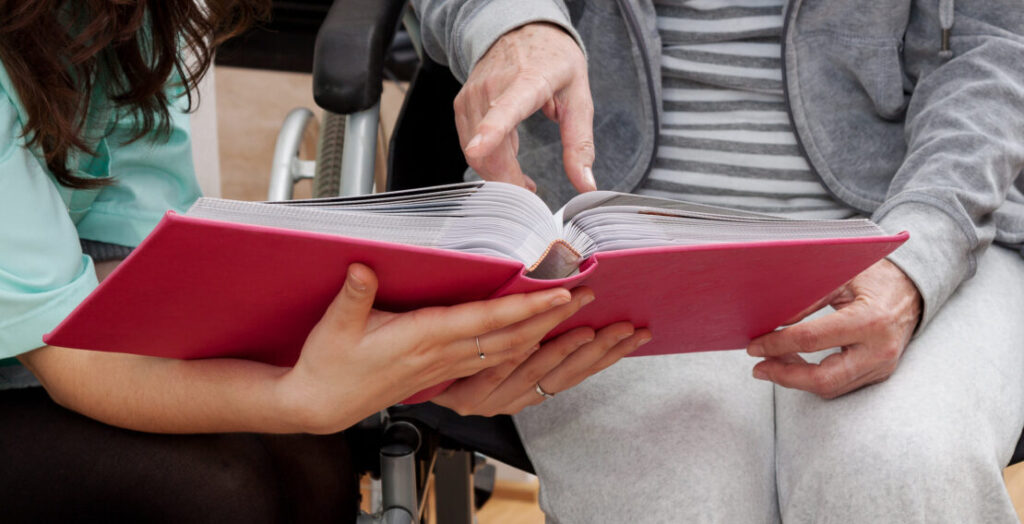
As a person living with dementia increasingly faces challenges in communication as their condition advances, what can help us to better communicate and engage them in daily activities at home? Namaste Care might just be the answer to support them in everyday care.
Improving Eating Environment & Appetite

While it is essential to pay attention to the nutritional aspects of a meal by providing regular, healthy and balanced meals, another important aspect of meals for persons living with dementia is the eating environment. As eating is a social activity, creating a comfortable dining atmosphere can help boost the appetite of a person living with dementia.
Financial Schemes

Caring for a person living with dementia requires careful financial planning, and may sometimes require the family of the person living with dementia to tap on financial resources. There are a number of government financial schemes available.
Making Your Home Dementia-Friendly

Persons living with dementia may face challenges navigating the physical environment, due to loss of orientation, sensory acuity, visual-spatial awareness, and mobility. Changes in their sensory system may reduce their tolerance towards environmental stimuli, such as sound levels, lighting, activity and people. For some persons living with dementia, the lack of sensory stimulation and occupational deprivation results in ill-being, leading to loss of self-worth and self-identity.
What Is a Dementia-Inclusive Environment?

Why Is a Dementia-Inclusive Environment Important? While dementia already presents a set of challenges for persons living with dementia and their families, stigma and discrimination worsen the psychological, social, emotional and financial impacts on them, such as social rejection, financial insecurity, internalized shame, and isolation.2 Similarly, with the rising prevalence of dementia in Singapore, where one in 10 people aged 60 and above is diagnosed with dementia, these ramifications are relevant and of growing concern for the nation with an aging population.
Doll Therapy & Dementia

Doll therapy is a psychosocial intervention that aims to meet psychological needs of persons living with dementia. What is Doll Therapy? Doll therapy is a non-pharmacological intervention that aims to reduce the behavioral and psychological symptoms of dementia (BPSD) that a person may experience.
Psychosocial Interventions in Dementia Care
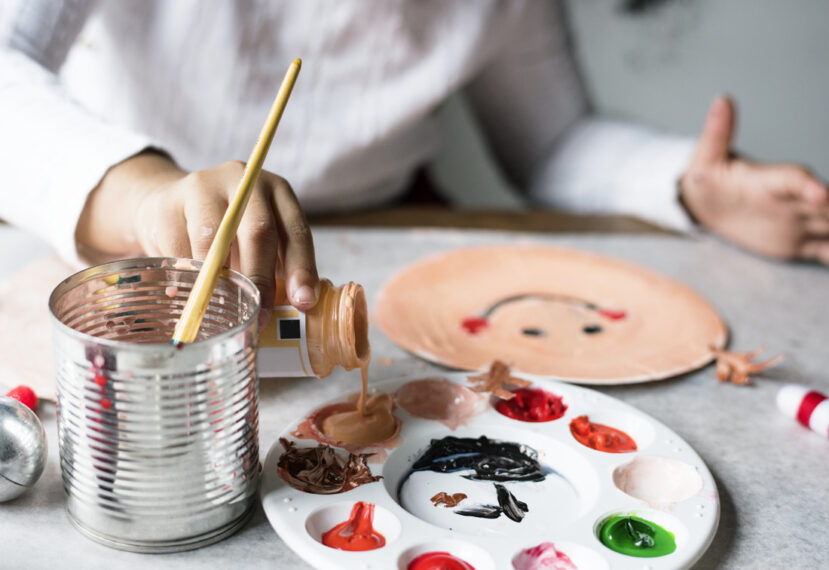
Psychosocial interventions is an umbrella term for a wide range of non-pharmacological interventions, activities, therapies, strategies, etc. that aim to promote the psychological and social well-being of individuals. People may be introduced to psychosocial interventions to cope with the challenges of living with disabilities, mental health conditions, etc., or when they need that support to get their lives back on an even keel. There are many types of psychosocial interventions, which include all psychological therapies, psychoeducation programmes, support groups, etc.¹
Cognitive Stimulation Therapy

Cognitive Stimulation Therapy, or in short, CST is an evidence-based, non-pharmacological intervention (NPT) for persons living with mild to moderate dementia.1,2 It was developed by Dr Aimee Spector, a clinical psychologist, in 1998, by reviewing the common non-pharmacological therapies for dementia, such as reality orientation and reminiscence therapy. The most effective elements of the different therapies were then combined to create the CST.