Integrating Play into Dementia Treatment Plans
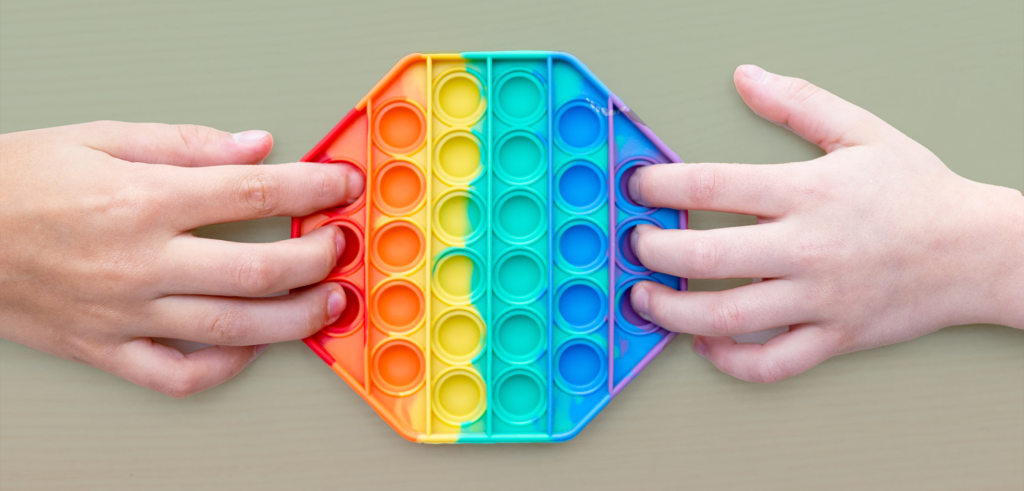
Play activities have many benefits for persons living with dementia and can be incorporated into non-pharmacological interventions. This article provides an overview of the benefits, types of activities, and strategies for incorporating play into dementia stage care settings.
Alzheimer’s Disease
Alzheimer’s Disease is the most well-known and researched type of dementia, caused by changes at the cellular level in a part of the brain.
Location-tracking Technology in Dementia Caregiving

Location-tracking technology offers a way to empower a person living with dementia to remain active in the community while caregivers monitor safety from a distance.
10 Ideas for Outdoor Monitoring

This article offers a list of outdoor monitoring solutions and alternatives that may be helpful for caregivers to explore with their loved ones.
The Power of Self-advocates in Dementia

Dementia self-advocates play an essential role in creating positive change in policies, researches, and initiatives that support the dementia community.
How is Dementia Diagnosed?

How is dementia diagnosed? Learn about the variety of tests doctors use to find out whether someone has dementia.
Communication Approaches in Dementia Care

Reality orientation, validation and reminiscence are effective methods to facilitate communication with persons living with dementia. Find out how you can use these approaches to help people living with dementia.
Frontotemporal Dementia (FTD)

Frontotemporal dementia (FTD) is an uncommon type of dementia caused by changes in the brain’s frontal lobe (behind the forehead) and temporal lobe (next to the ear).
My Loved One Refuses to Get a Diagnosis – What Can I Do?

If your loved one is displaying possible signs and symptoms of dementia, it is understandable that you would want them to get a diagnosis and seek treatment as early as possible. However, having a conversation with your loved one about the memory lapses and moments of confusion they have been experiencing may be difficult. Often, someone experiencing these symptoms may feel defensive, worried or be in denial.