
Dementia Signs & Symptoms

Although symptoms of dementia vary between individuals, there are some common warning signs. Every person living with dementia is unique and does not present the same symptoms. The needs and manifestations vary between individuals although there are some common symptoms.
How Dementia Changes The Brain
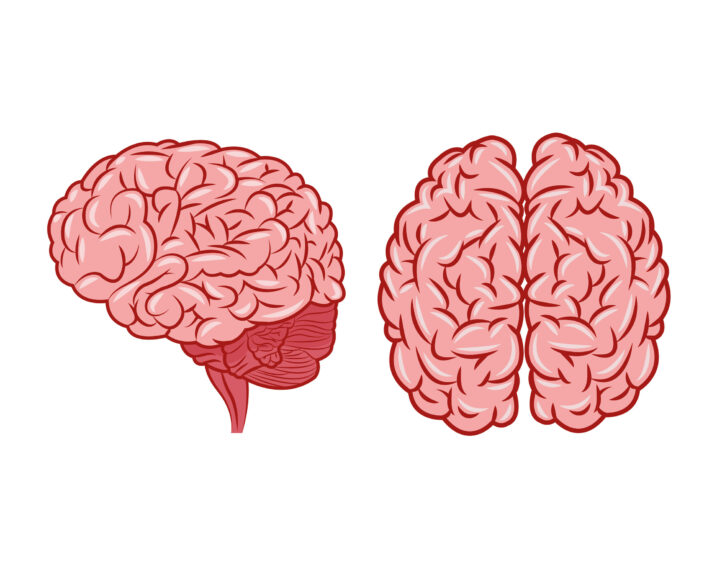
Knowing how dementia changes the brain, which affects dementia symptoms, helps us to understand why persons living with dementia behave the way they do. The human brain is an organ of the nervous system that controls the body’s activities, processes information received by the body, and controls psychological functions such as cognition and emotion. Changes in the condition of brain regions can cause temporary or long-lasting impairment.
How The Brain Works
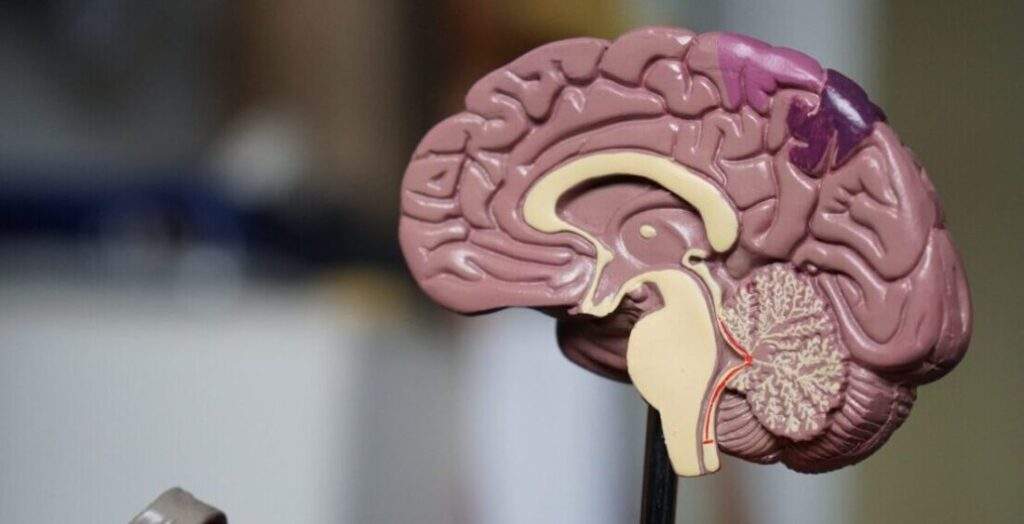
Dementia can affect the entire brain. Learn how the brain works and understand how changes in specific brain regions can affect the ways dementia symptoms manifest.
Non-Modifiable Risk Factors

Here are four common non-modifiable risk factors of disease that have been associated to the development of dementia. The greatest risk factor for dementia is age. Although age increases risk, dementia is not a normal part of ageing, and ageing is not itself a cause of dementia.
Modifiable Risk Factors & Lowering Risk

Although factors such as genes, gender, race, and age are not within control, there are things that can be done to reduce the risk of developing dementia. Individuals can make lifestyle changes to reduce their risks of developing dementia, and systemic societal changes can be made to reduce the incidence of dementia in a community.
Benefits of Getting a Dementia Diagnosis

Have you or your loved one been living with memory loss for some time? Have you been concerned about whether you or your loved one has dementia? A diagnosis may help address these concerns and reduce any anxiety you may have regarding these symptoms your loved one is experiencing.
ABCDs of Dementia Progression
All types of dementia are progressive. This means that while symptoms may at first be mild, they deteriorate with time. As dementia progresses, a person with this condition will need increasingly more help and support with daily living. Dementia affects every individual differently. This includes their experience of the symptoms, the rate at which the condition progresses (which itself varies across the different types of dementia), and the type and level of support required.
Where to Get a Diagnosis?

Diagnosis can be conducted at several places including the hospitals listed below and certified general practitioners’ clinics.
You may obtain a professional diagnosis by approaching the places below:
General Practitioners
You can approach local General practitioners (GPs) who are certified to support and provide mental health assessments and diagnosis.
A recommended list of certified GPs can be found at Pg. 83 to 86 in ‘A Resource Kit for Caregivers’ by AIC.
Starting a Conversation About Diagnosis

If you suspect your loved one is displaying the signs and symptoms of dementia, you should encourage him or her to get properly diagnosed and treated. However, starting a conversation with someone on this sensitive issue may not be easy. This article will first provide a short guide to how to start a conversation with a person living with dementia about getting a diagnosis, and then detail some guiding points about how to navigate these conversations.