Managing Negative Emotions
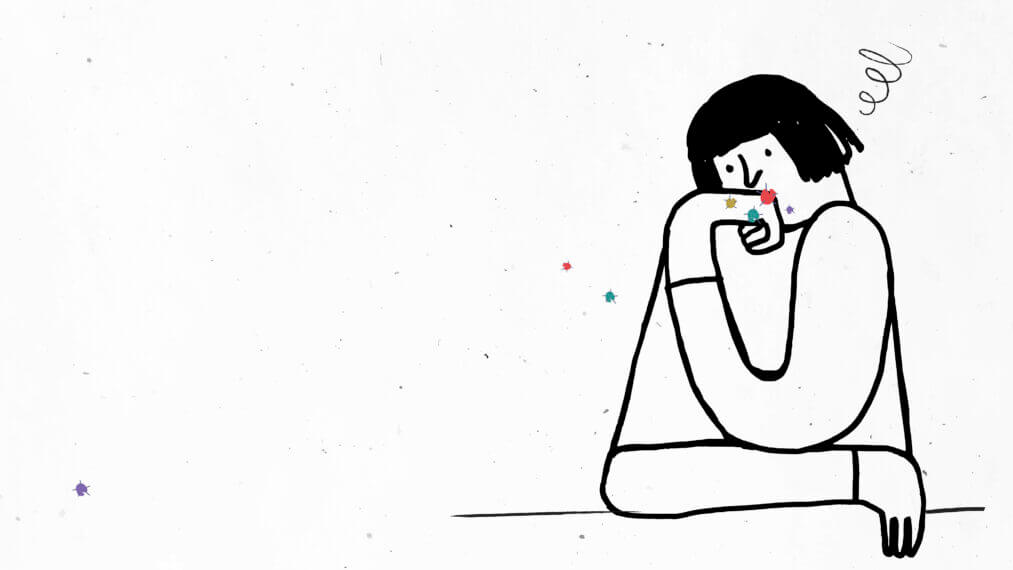
A caregiver’s role is challenging, especially if you need to balance a job, family and housework on top of caring for your loved one living with dementia. You may think you can or should do everything by yourself, or may want things to be done well with very good outcomes. This is understandable, as the stakes are high in caregiving. However, it is not always possible to have things done perfectly as a caregiver, and expecting this may increase the likelihood of burnout.
The Needs of Informal Caregivers
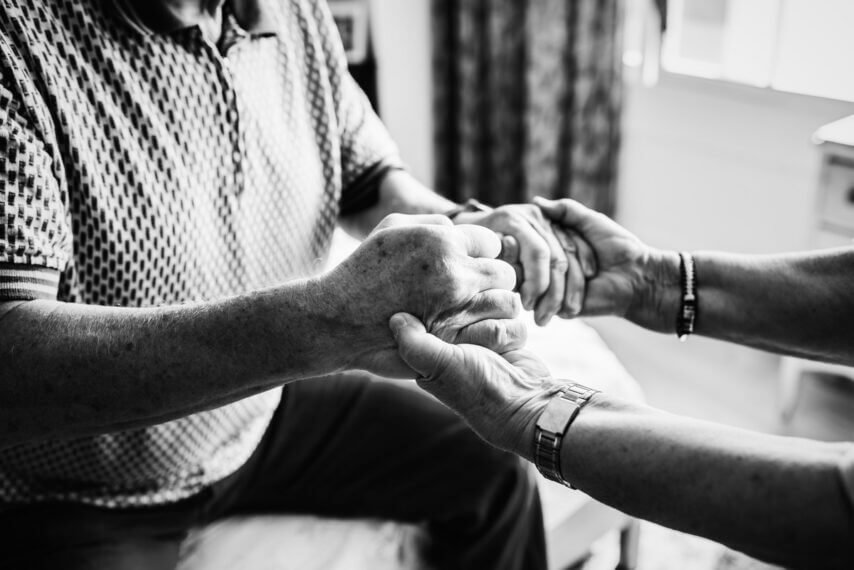
When working with informal caregivers (family members, friends, or foreign domestic workers) of persons living with dementia, it is important to first understand their needs, worries, and struggles, before working with them to develop and implement an effective care and support plan. A research conducted locally in 2013 explored the experiences and challenges informal caregivers of persons living with dementia face. Through the study, they identified the following unmet needs of these caregivers:
Risk Factors

There is no single cause of dementia. Rather, a combination of multiple factors is associated with the development of dementia. Family history and lifestyle factors, such as exercise patterns, dietary habits, and stress levels, are examples of risk factors that may contribute to the onset of dementia. Risk factors are characteristics which increase the likelihood of developing a disease. Their presence does not guarantee the development of the disease in question. For example, not everyone who smokes develops heart disease and not everyone with heart disease has been a smoker. However, a person who smokes is more likely to develop heart disease.
Learn about Dementia via E-Learning

Want to learn more about dementia? The following article provides a list of e-learning programmes to better support your loved one’s needs.
Different Types of Dementia

Alzhemer’s disease is the most common type of dementia. It is caused by the build-up of certain kinds of proteins in and around brain cells. It has an insidious (slow) onset and is a progressive disease whereby symptoms gradually worsen over a number of years. AD is irreversible, slowly impairs memory and thinking skills, and may eventually affect the ability to carry out simple tasks such as eating. Currently, there is no cure for this disease but treatment can help manage symptoms of AD.
Is It Dementia or Other Conditions?

Some conditions share symptoms with dementia. Here is a comparison between dementia, mild cognitive impairment, depression, and delirium.
Debunking Myths About Dementia
There are many myths surrounding dementia. Here are some common myths that have often exacerbated the stigma of dementia and perpetuated negative stereotypes about the condition. Dementia is an illness that affects the brain and is not a natural part of ageing. It is a condition that affects the brain, leading to progressive memory loss, decline in cognitive abilities, and personality changes.
What Is Dementia?
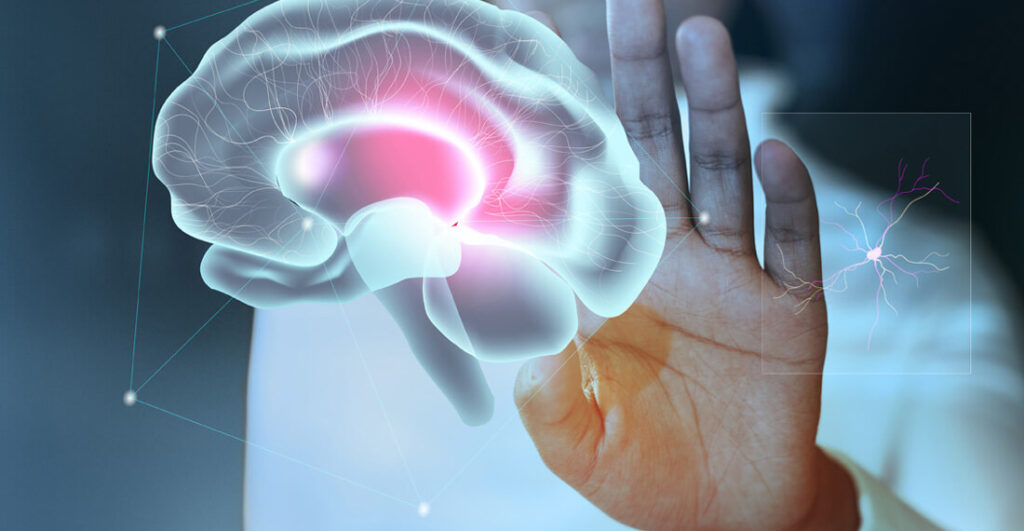
Dementia is a collection of different symptoms characterised by a progressive worsening of memory and intellect (cognitive abilities), orientation, or personality, that is caused by the diseases that affect the brain. It is not a natural part of ageing. Persons living with dementia eventually lose the ability to do things to a level that affects their daily functioning, such as working, performing daily activities, or social interaction.1 They may gradually find the following abilities challenging.
9 Differences between Normal Ageing and Dementia
Forgetfulness is not the only warning sign of dementia. Instead, it might be a result of normal ageing and not dementia. Learn how dementia is different from normal ageing. As we age, some of us may get more forgetful and require a bit more time to recall things, or even struggle to multitask. It can get a little worrying that these might be early signs of dementia. However, these can be a result of normal ageing and not dementia. The table below compares the 9 differences between signs of normal ageing and symptoms of dementia.