Encouraging My Loved One to Accept Their Condition

It can be difficult to accept a dementia diagnosis, and understanding the reason behind the denial is important to coming up with strategies to help your loved one. Receiving a dementia diagnosis can be harrowing—it’s normal for the person who has been diagnosed to feel a range of negative emotions, from sadness to frustration, or even outright denial.
Encouraging My Client to Accept Their Condition
It can be difficult to accept a dementia diagnosis, and understanding the reason behind the denial is important to coming up with strategies to help your client. Receiving a dementia diagnosis can be harrowing—it’s normal for the person who has been diagnosed to feel a range of negative emotions, from sadness to frustration, or even outright denial.
What is Young-Onset Dementia?

Young-onset dementia refers to any type of dementia that develops in persons below the age of 65. Symptoms of dementia may present themselves differently in a younger person, as compared to dementia in older adults. It is a myth that dementia affects only older adults. Over 50 million people worldwide live with dementia in 2020, and this number is expected to increase to 82 million in 2030 and 152 million in 2050.1 Approximately 5% to 6% of the number is young-onset dementia, amounting to around 3.9 million people living with young-onset dementia as of 2021.2
Tips to Manage Dementia Medications

Most persons living with dementia are able to manage their own medication in the early stages of their condition, but may find it more difficult to do so as their dementia progresses. Consuming the wrong combination, dosage or forgetting to take their medicine on time may put them at serious risk. It is, thus, important that both persons living with dementia as well as their caregivers are equipped with the basic skills for effective medication management.
Pharmacological Management of Dementia

Though non-drug measures are usually the first-line approach to address the symptoms of dementia, medications are still important in the treatment of dementia. Presently, there is no cure for dementia. Although slight improvements or stabilisation of symptoms can at times be seen, these ultimately do not cure or prevent the disease or restore mental health. There are, however, drugs that may help improve mental function, mood or behaviour and slow down the symptomatic progression of the disease.
Treatments for Dementia
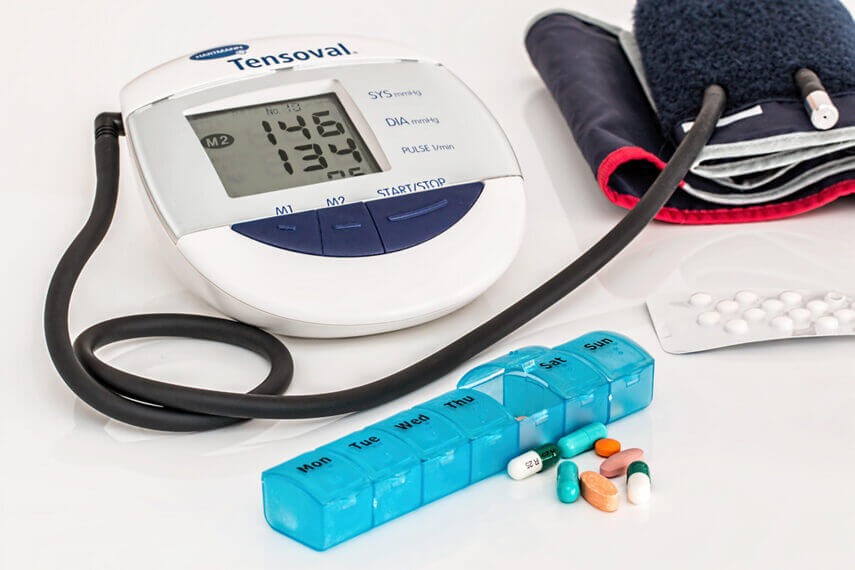
Caring for a person living with dementia involves many things. These include the use of both medications and psychosocial interventions (such as engagement and environmental changes to suit the person). Care plans should integrate both these kinds of treatments when addressing the factors that affect the condition of a person living with dementia. These include biological, psychological, and social factors. Though non-drug measures are usually the first-line approach to address the symptoms of dementia, medications are still important in the treatment of dementia.
Recreational Activities

What Are Recreational Activities?
Recreational activities are activities that people participate in for leisure. These are activities that are meant to engage persons living with dementia and are not specifically intended to meet therapeutic outcomes. Recreational activities differ from activities done for the purpose of therapeutic outcomes, such as activities done as therapeutic activities or psychosocial interventions. These non-recreational activities aim to meet therapeutic goals, such as the improvement of cognitive or emotional conditions, and tend to be more structured.
Physical Exercises

Physical exercise has positive effects on the wellbeing of persons living with dementia, whether the exercise is done for recreation or as therapy. It can be done as the main focus of an activity, or as part of other activities that involve a heightened level of physical movement, such as gardening or dance.
Managing Urinary Incontinence

Urinary incontinence is a common problem in dementia. As the disease progresses, your loved one may become less aware of their toileting needs and urinate unconsciously. Deterioration may lead to urinary tract infection, an enlarged prostate gland, drinking too much caffeinated beverages, impaired mobility, and constipation.