Person-Centred Care Planning in Dementia

In this topic, the importance of developing a person-centred care plan for persons living with dementia is emphasised. This page also summarises some of the best practices for a person-centred care planning process and the elements that a good care plan entails. Having these in place will assist care professionals to then deliver quality person-centred care for their clients or patients living with dementia.
Looking after Yourself

Always remember that part of your duty to your loved one is to take good care of yourself. Most caregivers feel that all their time, energy and care should be given to their loved ones. However, your loved one may suffer too if you do not look after yourself.
Caregiver Training and Courses
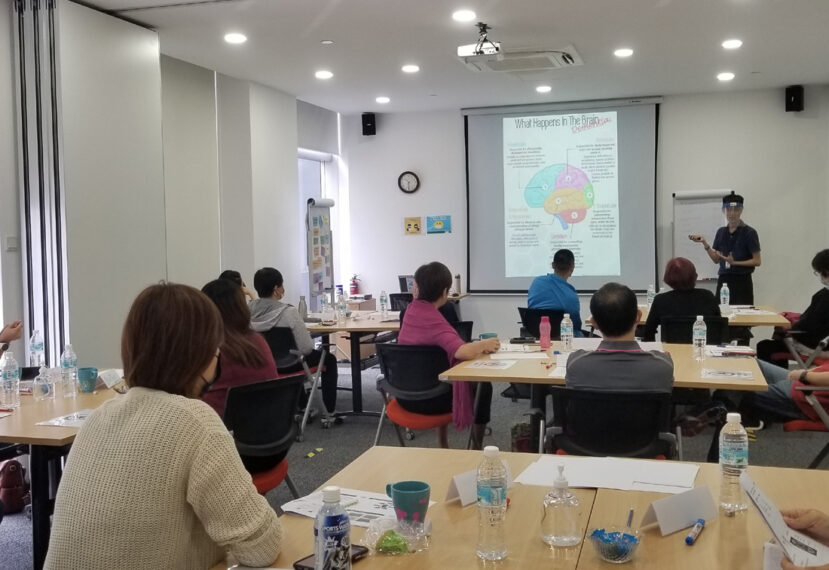
You may consider signing up for caregiving training to help you better care for your loved ones living with dementia. As caregiving also involves more than one caregiver, such as family members and employed migrant domestic workers (MDWs), you may also consider encouraging other caregivers to sign up for caregiving courses.
Dementia and Driving Safety

Driving can represent independence and freedom for a person. One of the first concerns caregivers have when a loved one is diagnosed with dementia is whether or not he or she should drive. While it may seem like an easy and automatic activity for frequent drivers, safe driving is a complex task which requires a range of cognitive abilities,1-4 such as:
Advance Care Planning

Advance Care Planning (ACP) is the process of planning for one’s future health and personal care. Having ACP conversations will allow your loved one with dementia to:
Share their personal values and beliefs with the family
Explore how his/her values and beliefs influence their healthcare preferences in difficult medical situations
Delegate a trusted member/relative to make healthcare decisions on their behalf, should he/she be unable to one day
Ideally, discussions about the person living with dementia should take place as early as possible, while your loved one with dementia still has the capacity to make informed choices and decisions.
Making Festive Celebrations Dementia-Friendly

Festivities are typically a time for joy and celebration across all cultures. However, it might present as a stressful time for both caregivers and persons with dementia due to a disruption in their usual routine. Here are some practical tips on how you can make the time an enjoyable one for all family members.
Deputyship

A deputy is appointed by the Court to make decisions on behalf of a person who lacks mental capacity when the person has not made a Lasting Power of Attorney (LPA) and has no donee to decide on their behalf in respect of those decisions. A deputy can be an individual or a licensed trust company under the Trust Companies Act (Cap.336), as prescribed by the Mental Capacity Regulations. Deputies must submit annual reports to the Office of the Public Guardian (OPG) to explain the decisions and expenses they made on the person’s behalf.
K.I.N.D. Gesture and C.A.R.E. Approach
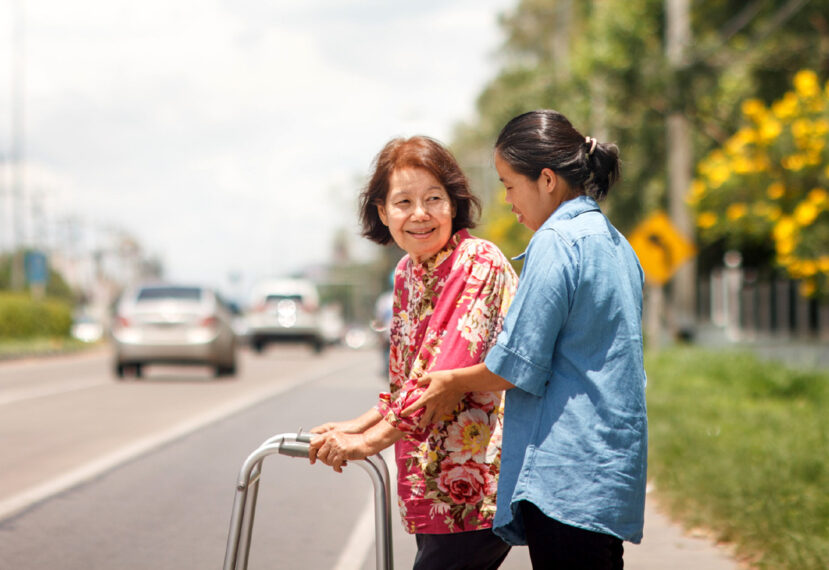
There are many scenarios where persons living with dementia may face difficulties and require assistance. The K.I.N.D Gesture and C.A.R.E Approach can help us to remember what to do and be more confident when interacting and assisting persons living with dementia, especially in situations where they may appear to be lost.
Tips on Taking Public Transport for Persons with Dementia

Public transportation is a common mode of transport for people in Singapore. This does not change even with the onset of dementia. Having easy access to transportation enables persons living with dementia to stay connected to their friends, families, and community. It also provides access to healthcare service locations, such as the hospital.