Creative Dance
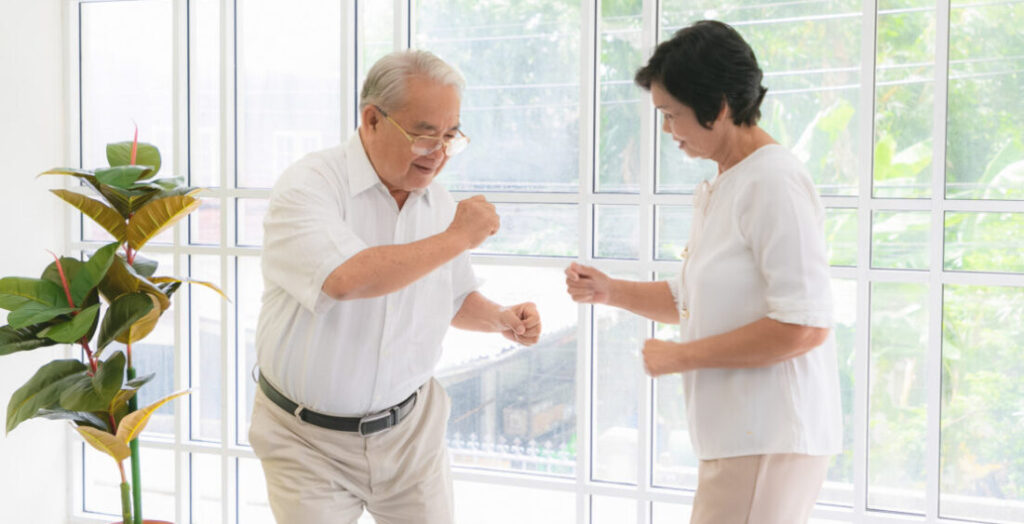
Dancing can be a form of expression for persons living with dementia too, as they connect and interact with others through dance. Read on to learn about Creative Dance, another potential psychosocial activity to support the well-being of persons living with dementia. To complement the modest benefits of pharmacological treatment on cognitive decline in dementia, arts-based programmes have been increasingly used as a non-pharmacological approach to delay the effects of dementia.1,2
Interest-based Activities for Caregivers
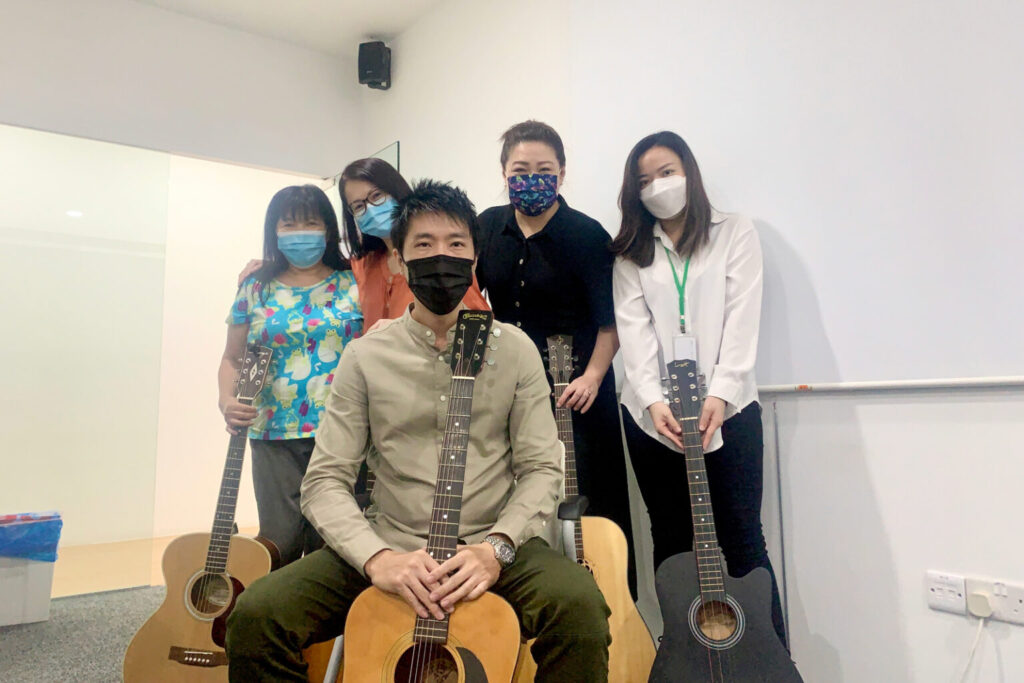
What if we could combine caregiver support activities with their interest to acquire new skills? Dementia Singapore has done just that! The Caregiver Support & Network (CSN) is a refreshing and new programme launched in December 2020 to better support a caregiver’s needs and well-being.
Employment for Persons with Young-onset Dementia

Work plays a central role in our lives, providing us with a sense of fulfilment, personal development, and income. There are many decisions to make about employment for persons with young-onset dementia, including whether or not to tell your employer, what changes could be made to the workplace and how long to continue working.
Advance Medical Directive

An Advance Medical Directive (AMD) is a legal document signed by a person in advance, informing their doctor that they do not want any extraordinary life-sustaining treatment to be used in the event that they become terminally ill and unconscious.
Lasting Power of Attorney (LPA)

What Is the Lasting Power of Attorney?
As dementia progresses, persons with this condition will have increasing difficulty with judgment and problem solving. You may notice that they might be less able to make sound financial and healthcare decisions. The Lasting Power of Attorney (LPA) is a legal document that allows a person (a donor) to appoint one or more persons as donee(s). Donees are persons who have the authority to make decisions and act on the donor’s behalf should this person lose their mental capacity. The donor must be at least 21 years of age and have the mental capacity to voluntarily make this appointment, should he/she lose the capacity to make his/her own decisions.
Experience Dementia in Singapore (EDIS)

What is in a Day of a Person Living With Dementia? Step into the shoes of persons living with dementia using the Virtual Reality (VR) application Experience Dementia in Singapore (EDIS). Dementia is a degenerative condition where symptoms worsen over time. By creating an enabling environment and adopting a person-centred approach in managing the condition, the lived experience of a person living with dementia can be greatly improved. EDIS presents the following scenarios to illustrate the challenges of a person living with dementia, and suggests how you, families, and communities can support their enablement.
Namaste Care Programme

Nature & Background
Namaste Care programme is a structured intervention for persons living with advanced dementia, which incorporates sensory intervention, social contact and environmental modification. It aims to respect the individual person for his or her unique personhood, nurture the individual spirit with meaningful activities using a loving touch approach, within a calm and home-like environment.
Participatory Arts
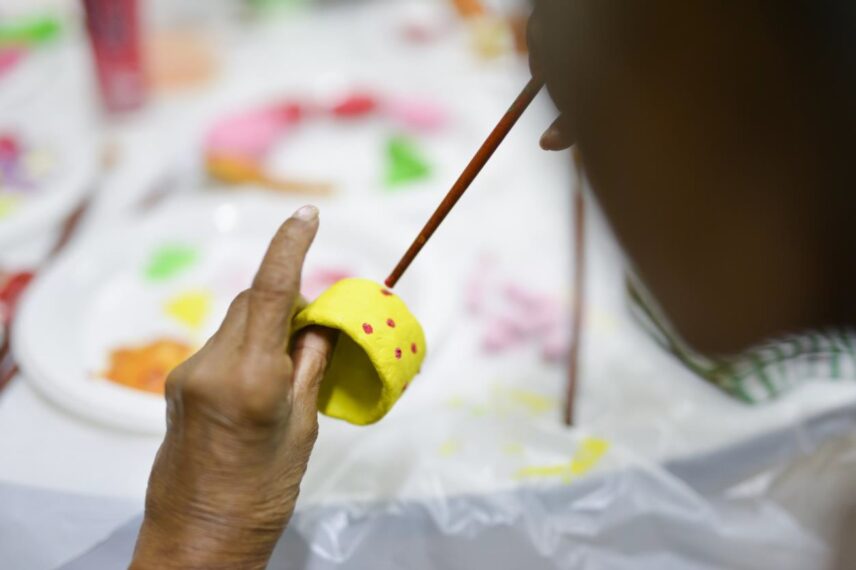
Participatory arts involve persons living with dementia and caregivers in their development, creation, and evaluation processes. Introduction Persons living with dementia gradually experience a decline in mental processes, including memory, orientation to space and time, and abstract thinking. The decline in cognitive skills may lead to social withdrawal and difficulties in communication.
Tools for Dementia Practice and Research

With the rising incidence and prevalence of dementia worldwide that is projected to continue, more efforts have been invested to address the needs of persons living with dementia and individuals around them. One such effort is the development of assessment tools and instruments in the field of dementia care.