
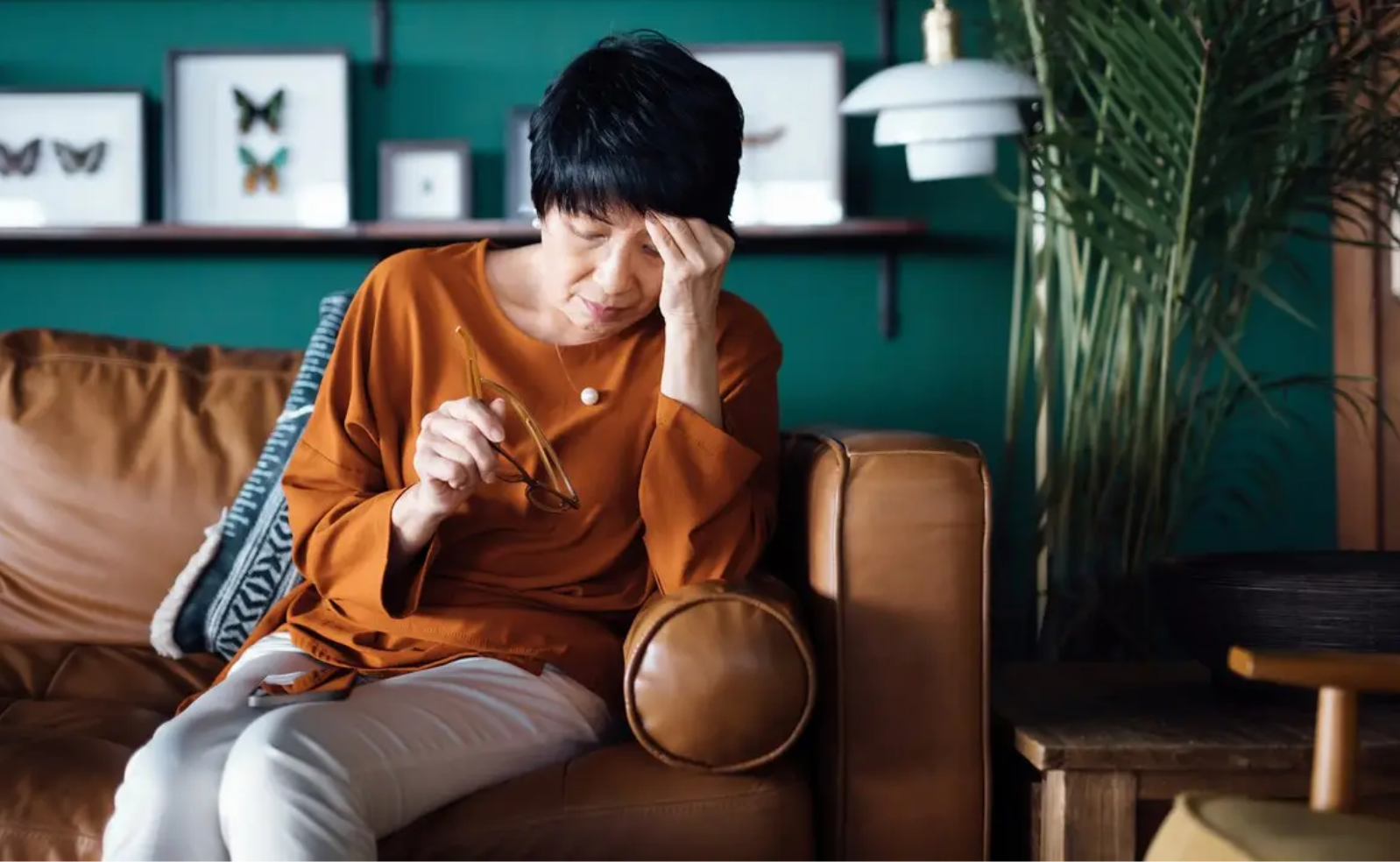
尽管看护工作常常带来成就感,但同时也在情绪和体力上带来沉重负担。 由于失智症会逐渐恶化,因此照顾失智症人士的看护者可能承受更大的情绪负担,包括压力、倦怠以及共情疲劳的问题。及早识别这些症状十分重要,这样看护者就可以及时采取温和而积极的措施,照顾自身的身心健康,同时继续陪伴并支持失智至亲。
- Health Promotion Board. (n.d.). Let’s talk about Vascular Dementia. HealthHub. https://www.healthhub.sg/programmes/mindsg/vascular-dementia
- Chiew, H. J. (2021, July 5). Young-onset dementia: Improving outcomes with early recognition at Primary Care. SingHealth. https://www.singhealth.com.sg/news/defining-med/Young-Onset-Dementia
- Ng, Z. X., Yang, W. R. E., Seet, E., Koh, K. M., Teo, K. J., Low, S. W., Chou, N., Yeo, T. T., & Venketasubramanian, N. (2015). Cerebellar strokes: A clinical outcome review of 79 cases. Singapore Medical Journal, 56(03), 145–149. https://doi.org/10.11622/smedj.2014195
- Ioannides K, Tadi P, Naqvi IA. Cerebellar Infarct. [Updated 2022 May 8]. In: StatPearls [Internet]. Treasure Island (FL): StatPearls Publishing; 2023 Jan-. Available from: https://www.ncbi.nlm.nih.gov/books/NBK470416/
- Huang, J., Qiu, Z., Zhou, P., Li, J., Chen, Y., Huang, R., Li, C., Ouyang, X., Feng, H., Xu, H., Liu, D., Dai, Z., Zhu, J., Liu, X., Chen, H., & Jiang, Y. (2019). Topographic location of unisolated pontine infarction. BMC Neurology, 19(1), 1-6. https://doi.org/10.1186/s12883-019-1411-6
什么是压力?
根据世界卫生组织的定义,压力是指个人在面对困境时,自然产生的忧虑或心理紧张反应。1适度的压力是正常现象,但如果长期承受压力,或者压力得不到疏导,可能会让看护工作变得更加困难,同时增加倦怠和共情疲劳的风险。 压力可能来自失智至亲的行为变化(例如,攻击行为或焦躁不安等)。
什么是倦怠?
如果压力没有得到妥善处理就会变成倦怠,导致情绪、身体及精神上的耗竭。2当看护责任超出能力负荷,就可能对看护者的看护历程带来重大影响。虽然任何人都可能出现倦怠的问题,但由于看护工作本身具有较大挑战,因此看护者出现倦怠的情况尤为常见。实际上,新加坡有74%的失智症看护者正承受看护责任所带来的情绪与心理负担。3由此可见,及早发现倦怠,并主动寻求援助,对维护看护者的身心健康十分重要。
什么是共情疲劳?
当看护者随着时间目睹失智至亲的症状逐渐恶化时,就有可能出现共情疲劳。4
随着病情发展,看护者往往需要投入更多心力照顾家人。久而久之,这会造成情绪的消耗,并严重影响看护者的身心健康。因此,看护者可能会出现共情能力下降,逐渐在情绪和社交方面与他人疏远。4这也可能改变看护者对待失智至亲的方式,使他们难以继续提供精心的护理。
症状的相似之处
压力、倦怠和共情疲劳的症状可能有所重叠,例如:
1. 更加孤立
刻意疏远亲友、回避社交聚会以及不愿意与他人交谈,这些都是身心耗竭的表现。
2. 因看护责任而不堪重负
当照顾失智至亲变得不堪重负时,看护者可能更容易感到烦躁、对未来失去希望。
3.睡眠困难
看护者可能觉得他们需要时刻紧绷神经,以照顾失智至亲。这可能导致他们在夜里不断担心失智至亲的状况,从而影响睡眠品质。
症状的差异
了解压力、倦怠和共情疲劳之间的差异十分重要,因为它们对看护者的影响各不相同。及早辨识相关症状,有助于看护者寻求适当的援助,同时维护自身的身心健康,并继续提供良好的护理。
差异 | 压力 | 倦怠 | 共情疲劳 |
成因 | 持续的压力和棘手的问题 | 由于看护责任而带来的长期压力与身心耗竭 | 持续面对失智至亲所承受的痛苦所带来的情感冲击 |
对共情能力的影响 | 看护过程中,共情能力保持不变 | 看护过程中,共情能力保持不变 | 看护过程中,共情能力有所下降 |
持续时间 | 通常是暂时性的,休息后会改善 | 随着时间逐渐形成,若未得到妥善支援,可能会持续多年 | 随着时间逐渐形成,若未得到妥善支援,可能会持续多年 |
应对与预防共情疲劳、压力和倦怠的贴士
做好预防与应对措施,才能避免在看护过程中,压力、倦怠和共情疲劳影响看护者的心理健康。
1. 自我护理
很多看护者很容易忽略对自己的护理。然而,抽出时间从事自己喜欢的活动,对维护身心健康有很大的帮助。如果看护者由于担心失智至亲而感到不堪重负,可以尝试5-4-3-2-1接地练习,平复波动的情绪。
您可以进一步了解自我护理如何维护身心健康。
一些自我护理的方式包括:
- 运动
- 冥想
- 阅读
2.设立界限
看护者可能会担心划定界限会疏于照顾失智至亲而心存愧疚,从而难以设下界限。然而,设立合理的界限,有助于维护看护者的身心健康,让其更有能力提供良好的护理。例如,看护者可以告诉失智至亲,“晚饭后我会陪您一个小时,之后我需要一些安静的休息时间。”当看护者觉察到自己快要不堪重负时,应适当休息,放松身心并恢复精力。这让能让看护者有更大的耐心专注于看护责任。
3. 支持小组
支持小组可以为看护者提供情绪支持,同时也是一种喘息方式。这种小组能为看护者提供一个安全的空间,让有过类似经历的人分享彼此的经验、挑战和感受。这能有助于减少孤立感,让看护者明白在这段旅程中自己并不孤单。支持小组还能提供实用建议、应对技巧与精神鼓励,让看护者在护理过程中更有信心,并获得更多支持。
4. 喘息护理
有些看护者可能认为自己抽不出时间照顾自己的需求。在失智症发展的某些阶段,有些看护者甚至需要全天候照顾失智至亲的生活起居。为了应对这种问题,喘息护理提供暂时性的援助,在一段时间内代为承担看护责任,让看护者有时间处理个人需求。
寻找您附近的喘息护理服务机构。
5. 辅导
如果压力、倦怠和共情疲劳的症状持续存在,或难以自行调节,接受辅导可以为看护者提供很大的帮助。辅导员能提供安全的倾诉空间,让看护者分享自己的困境,探讨应对方式。
结语
及早觉察压力、倦怠及共情疲劳的迹象,能够帮助看护者采取简单有效的行动,保护自己的身心健康,在看护旅程中建立更强大的心理韧性。
- Loi, S. M., Cations, M., &Velakoulis, D. (2023). Young‐onset dementia diagnosis, management and care: a narrative review. The Medical Journal of Australia, 218(4), 182– https://doi.org/10.5694/mja2.51849
Dementia statistics. (n.d.). Alzheimer’s Disease International. Retrieved 24 March, 2021, from https://www.alzint.org/about/dementia-facts-figures/dementia-statistics/
- Hendriks, S., Peetoom, K., Bakker, C., van der Flier, W. M., Papma, J. M., Koopmans, R., Verhey, F., de Vugt, M., Köhler, S., Young-Onset Dementia Epidemiology Study Group, Withall, A., Parlevliet, J. L., Uysal-Bozkir, Ö., Gibson, R. C., Neita, S. M., Nielsen, T. R., Salem, L. C., Nyberg, J., Lopes, M. A., Dominguez, J. C., … Ruano, L. (2021). Global prevalence of young-onset dementia: A Systematic Review and Meta-analysis. JAMA Neurology, 78(9), 1080–1090. https://doi.org/10.1001/jamaneurol.2021.2161
- World Health Organization. (2025, March 31). Dementia. World Health Organization. https://www.who.int/news-room/fact-sheets/detail/dementia
- Zalizan, T. (2021). More than a disability, dementia takes a toll on the whole family – and more young patients are getting it. CNA. https://www.channelnewsasia.com/today/big-read/dementia-young-onset-caregivers-ageing-society-5271421
- The Straits Times, & The Sunday Times. (2023, May 21). Young onset dementia: Group faces financial, social challenges. Nni.com.sg. https://www.nni.com.sg/news/patient-care/young-onset-dementia-group-faces-financial-social-challenges
- Loi, S. M., Cations, M., & Velakoulis, D. (2023). Young-onset dementia diagnosis, management and care: A narrative review. Medical Journal of Australia, 218(4), 182–189. https://doi.org/10.5694/mja2.51849
- Tham, D. (2024). Survey reveals half of Singaporeans resist young-onset dementia testing, even with symptoms. CNA. https://www.channelnewsasia.com/singapore/dementia-young-onset-below-65-survey-screening-test-4585526
- Kandiah, N., Wang, V., Lin, X., Nyu, M. M., Lim, L., Ng, A., Hameed, S., & Wee, H. L. (2016). Cost related to dementia in the young and the impact of etiological subtype on cost. Journal of Alzheimer’s Disease, 49(2), 277–285. https://doi.org/10.3233/JAD-150471
- Chirico, I., Ottoboni, G., Linarello, S., Ferriani, E., Marrocco, E., & Chattat, R. (2021). Family experience of young-onset dementia: the perspectives of spouses and children. Aging & Mental Health, 26(11), 1–9. https://doi.org/10.1080/13607863.2021.2008871
- Katja Hautsalo, Jari Pirhonen, & Ilkka Pietilä. (2025). Living with Young Onset Dementia: A Reconstruction of Social Agency. Activities Adaptation & Aging, 49(4), 583–612. https://doi.org/10.1080/01924788.2025.2529093
- Wiggins, M., McEwen, A., & Sexton, A. (2022). Young-onset dementia: A systematic review of the psychological and social impact on relatives. Patient Education and Counseling, 107(107585), 107585. https://doi.org/10.1016/j.pec.2022.107585
- Gelman, C., & Rhames, K. (2018). “I have to be both mother and father”: The impact of Young-onset dementia on the partner’s parenting and the children’s experience. Dementia, 19(3), 676–690. https://doi.org/10.1177/1471301218783542
- Johannessen, A., Engedal, K., Haugen, P. K., Dourado, M. C. N., & Thorsen, K. (2018). “To be, or not to be”: experiencing deterioration among people with young-onset dementia living alone. International Journal of Qualitative Studies on Health and Well-Being, 13(1). https://doi.org/10.1080/17482631.2018.1490620
- Alzheimer’s Society. (2018). What Causes young-onset dementia? Alzheimer’s Society. https://www.alzheimers.org.uk/about-dementia/types-dementia/what-causes-young-onset-dementia
- Soh, I., Hoh, J., Koh, A., Selvaraj, D., Ong, S., & Phua, A. (2024). National Population Health Survey 2024 (Household Interview and Health Examination). https://isomer-user-content.by.gov.sg/3/4cad4e62-8093-48de-b0d1-af8e012d4d95/NPHS%202024%20Survey%20Report_Final.pdf
- Health Hub, & Health Promotion Board. (n.d.). Singapore-Physical-Activity-Guidelines. Www.healthhub.sg. Retrieved 2026, from https://www.healthhub.sg/programmes/letsmoveit/singapore-physical-activity-guidelines
- Perry, C. J. (2016). Cognitive Decline and Recovery in Alcohol Abuse. Journal of Molecular Neuroscience, 60(3), 383–389. https://doi.org/10.1007/s12031-016-0798-4
- Sommerlad, A., Kivimäki, M., Larson, E. B., Röhr, S., Shirai, K., Singh-Manoux, A., & Livingston, G. (2023). Social participation and risk of developing dementia. Nature Aging, 3(5), 532–545. https://doi.org/10.1038/s43587-023-00387-0
- Lau, D. (2024). Youths in Singapore more likely to report higher levels of social isolation and loneliness IPS poll. https://lkyspp.nus.edu.sg/docs/default-source/ips/today_youths-in-singapore-more-likely-to-report-higher-levels-of-social-isolation-and-loneliness-ips-poll_20240129.pdf